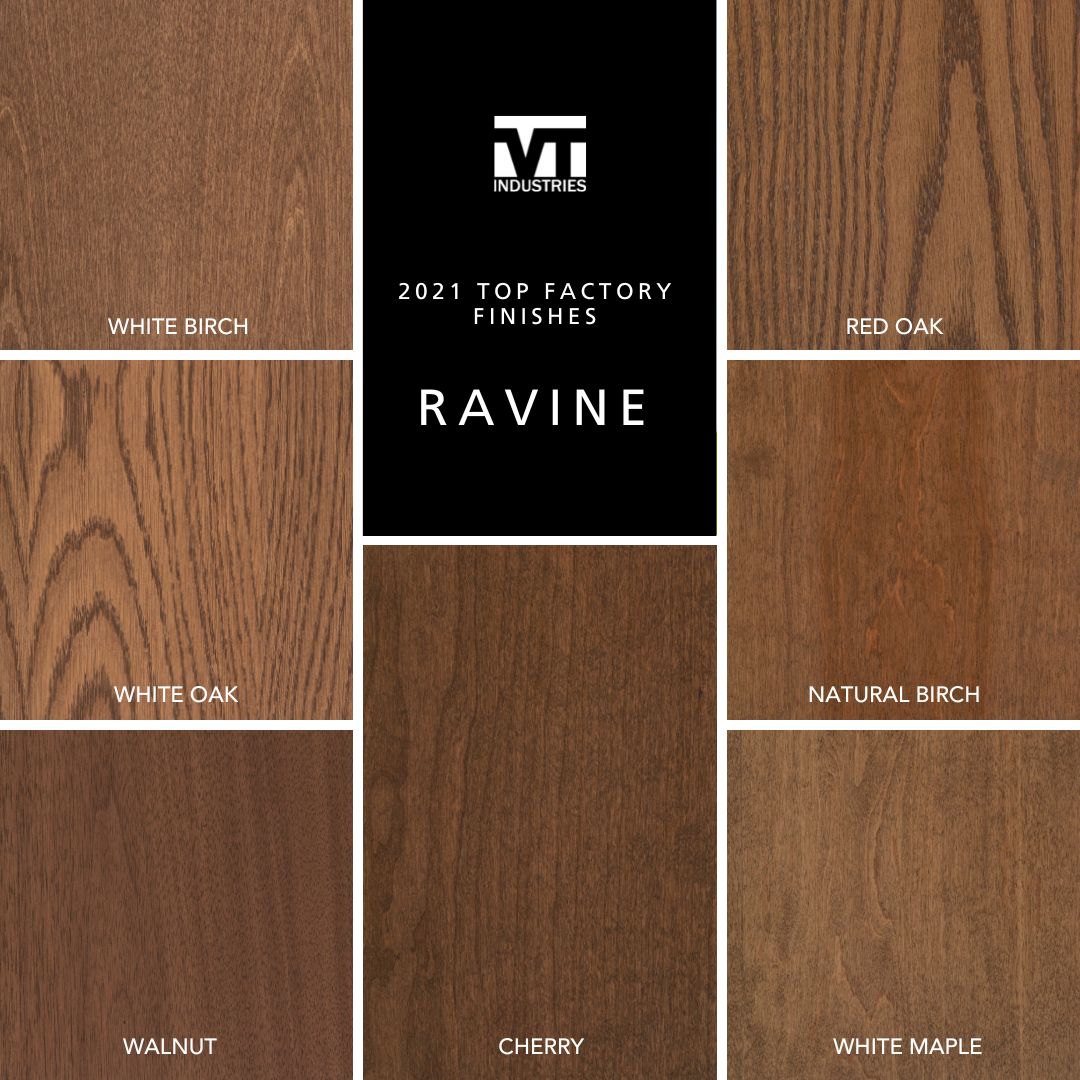
Trending Factory Finishes
posted
on 10/13/2021
in
Architectural Doors - News
Trending Factory Finishes for Architectural Wood Doors
Factory-applied finishes have become a design tool in their own right. For teams managing many openings and tight timelines, a factory finish is a practical way to create a consistent aesthetic and installation process. When the specification calls for architectural wood doors across corridors, suites, offices, or guestroom floors, finish strategy is what ensures visual continuity. That role has become increasingly important as resimercial and biophilic design bring residential warmth, natural materials, and earth-inspired colors into commercial settings. Within these environments, architectural wood doors can help carry a more welcoming visual language from one space to the next.
Factory-Finished Wood Doors for More Predictable Project Outcomes
Factory finishing is becoming the go-to choice in modern specifications because it reduces variables without narrowing design intent. Project teams want surfaces that can be implemented broadly and are field-ready, with fewer variables between submittal approval and installation.
Factory finishing supports that goal by providing:
- Consistency Across Openings: The same finish can be applied with a repeatable coating process, helping reduce variation across a large door schedule.
- A Defined Performance System: Our UV-cured factory finish is specified to meet WDMA TR-8 and AWS System 9, a framework commonly required for interior wood finishing systems.
- A Clearer Approval Path: Finish samples and a defined custom-match process make approvals simpler and less ambiguous.
Popular Wood Door Finish Colors and Sheen Choices in Commercial Interiors
Trends change, but a few finish directions remain reliable choices across modern commercial environments. As shown in our 2026 Trending Wood Industry Designs brochure, current palettes are moving away from cooler grays and toward lighter woods, softened greige tones, and warmer browns that coordinate naturally with millwork, flooring, furnishings, and adjacent materials. These directions give project teams a clearer framework for selecting up-to-date architectural wood door finishes without becoming overly trend-dependent.
Light Finishes
Lighter finishes remain popular because they amplify daylight, keep corridors bright and welcoming, and make hardware and glazing details stand out. On select veneers, light stains can deliver a refined architectural calm, especially when paired with matte or low-sheen topcoat options. For teams evaluating a palette, our Finishes & Colors resource helps compare tone families and veneer species to help inform your decision.
Warm Mid-to-Dark Browns
Dark, warm browns are a staple in hospitality and high-end workplace interiors where doors are meant to carry presence. These tones add depth without introducing visual noise, and they tend to coordinate well with adjacent woodwork like wall panels, trim, and casework. In corridors and shared areas, darker stains can also help hide minor scuffs and day-to-day contact better than very light finishes.
For projects balancing warmth with restraint, deeper browns provide a grounded backdrop for metal hardware, glazing, and contemporary paint palettes. The key is consistency, confirm the tone early, then validate it with physical samples under the intended space’s lighting conditions.
Low-Sheen Finishes for Controlled Reflectance
Many specifiers are increasingly attentive to reflectance because high gloss can create inconsistency across mixed lighting conditions, while lower sheen often keeps the veneer’s appearance more uniform from angle to angle. VT offers low-sheen factory finishes as an option, giving project teams greater control over reflectance and the final character of the door package.
If you want a technical lens on finishing systems broadly, the Woodwork Institute’s overview is a useful reference for how common finish families are categorized in architectural woodwork contexts.
Coordinating Veneer Selection and Finish Approval for Wood Doors
Finish selection is rarely isolated. Veneer species, cut, and natural variation influence how stain affects the aesthetic, especially on lighter tones. Expect visible variation between heartwood and sapwood, and plan for the way that range will present across a door schedule. When a more uniform appearance is required, opting for a tighter veneer selection can help limit contrast from opening to opening.
The relationship between veneer and finish becomes even more important when the design incorporates wood drenching or a deliberate mix of wood tones. Wood drenching carries a closely coordinated wood language across doors, wall panels, casework, and other interior elements. Mixed-tone designs take a different approach, combining cool, neutral, and warm woods to create contrast within the space.
Veneer cut also helps determine the character of the completed door. Plain-sliced veneers can create pronounced cathedral patterns, while quarter-sliced veneers provide more linear graining. Both have become sought-after design expressions, but they produce distinctly different visual rhythms across a large opening schedule.
A practical way to avoid surprises is to align these elements early:
- Veneer Species and Grade: Define the visual baseline before you fine-tune color.
- Finish Tone Family: Select the general direction first, then refine within that range.
- Approval Samples: Confirm expectations under the lighting conditions that matter most to the project.
The Heritage Collection supports a more coordinated door package by aligning finish selection with design options like veneer faces and inlays, which helps keep approvals and visual expectations consistent across the schedule.
Wood Door Finish Samples and Custom Color Matching
Standard factory finish colors are designed to streamline selection and approval while being aligned with current design trends. For high-profile interiors or brand-driven environments, custom matching can be the right path, especially when adjacent millwork or signature furnishings require close coordination.
The fastest way to keep expectations aligned is to review physical samples before you finalize. You can request factory finish samples for our doors directly, including standard sample orders and custom sample options.
Get Help Coordinating Factory-Finished Wood Doors for Your Schedule
To prevent finish selection from becoming a late-stage scramble, we recommend confirming these decisions during the door scheduling process:
1. Define the Visual Goal Per Zone
Public corridors, private suites, and service areas often benefit from different finish strategies, even when door types remain consistent. Align those zones with a small set of finish families early to minimize the need for unnecessary one-off approvals.
2. Confirm Light and Adjacency Conditions
A finish that appears balanced in daylight can shift under warm LEDs. Consider the lighting plan as part of your finish approval. Whenever possible, review samples alongside the materials that will constitute the rest of the environment, such as flooring, paint, wall coverings, and adjacent woodwork.
3. Approve With Physical Samples
Use physical finish samples to validate color, clarity, and tone before production. Review them under the actual lighting temperature and from multiple viewing angles so the final doors appear as the design team intends.
If you want to discuss finish direction, door type selection, or how to streamline sample approvals across a large schedule, connect with our team or start the process by locating a dealer near you.
To view our full pallet of factory finishes, download our brochure or request a factory finish sample. For a custom finish, simply send us a 3” x 5” physical sample of the finish color desired, and we will custom match it to meet your project needs.